Landline Phone:
(413) 214-6541
Location:
15 Agawam Ave West Springfield, MA 01089
Mon - Fri:
8.00am - 4.00pm

Aviation Fuel Testing Services
Related Posts
Sterling Analytical provides professional aviation fuel testing services to ensure the safety, quality, and regulatory compliance of Jet A, Jet A‑1, and other turbine fuels used in commercial, private, and military aviation. Aviation fuel quality directly impacts aircraft performance, engine reliability, and passenger safety. Even minor contamination can result in fuel system icing, filter blockage, corrosion, or engine malfunction.
Our laboratory delivers comprehensive aviation fuel testing using ASTM-certified methodologies and industry-recognized standards to verify specification compliance and detect contamination. We support fixed-base operators (FBOs), fuel suppliers, airports, airlines, maintenance organizations, and fuel storage terminals with precise analytical data for quality control and regulatory documentation.
Fuel used in aviation must meet strict chemical and physical property requirements. Through structured aviation fuel testing programs, our laboratory evaluates fuel cleanliness, water content, thermal stability, flash point, particulate contamination, and other critical performance indicators. Routine aviation fuel testing protects aircraft engines, ensures operational readiness, and supports industry compliance standards.
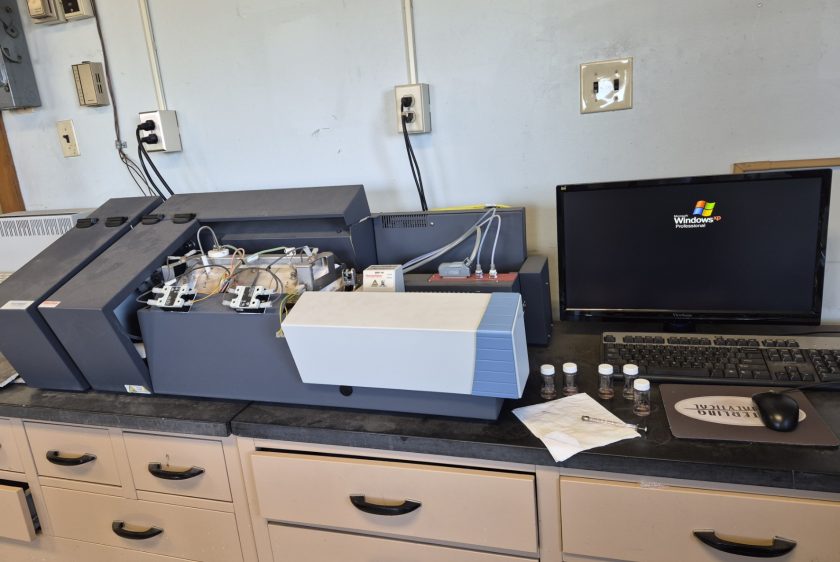
Aviation Fuel Testing Capabilities
Sterling Analytical offers both a Basic Aviation Fuel Testing Package and expanded analytical services for comprehensive jet fuel quality evaluation.
Basic Aviation Fuel Testing Package
The basic package verifies that aviation turbine fuel meets essential cleanliness and safety standards.
Clear and Bright – ASTM D4176: Visual inspection confirms fuel is free from haze, suspended water, or visible particulate matter. Clarity is a fundamental requirement in aviation fuel testing to ensure fuel cleanliness prior to aircraft fueling.
Water Reaction & Interface Rating – ASTM D1094: Evaluates the interaction between fuel and water to assess potential surfactant contamination that may affect fuel-water separation characteristics.
Free Water & Particulate Contamination – ASTM D2276:This gravimetric membrane filtration test measures solid particulates and free water that may clog filters or damage aircraft fuel systems.
Water by Karl Fischer – ASTM D6304: Precisely measures dissolved water content. Excess moisture can contribute to microbial growth and increase the risk of fuel system icing at altitude.
Flash Point – ASTM D93: Confirms compliance with minimum flash point requirements for Jet A and Jet A 1 fuels to ensure safe handling and transport.
Specific Gravity – ASTM D1298 or D4052:Determines density for mass-to-volume calculations and compliance with aviation fuel specifications.
Advanced Aviation Fuel Testing Services
When additional analysis is required for compliance, troubleshooting, or quality assurance, expanded aviation fuel testing provides detailed performance characterization.
Distillation – ASTM D86: Evaluates the boiling range profile to confirm proper hydrocarbon composition and detect contamination.
Thermal Stability – ASTM D3241 (JFTOT):Jet Fuel Thermal Oxidation Testing measures resistance to thermal degradation and deposit formation under high-temperature conditions typical of turbine engines.
Sulfur Content – ASTM D5453: Quantifies sulfur levels to ensure compliance with environmental and specification requirements.
Acidity (Total Acid Number) – ASTM D3242:Measures acidic components that may contribute to corrosion within aircraft fuel systems.
Electrical Conductivity – ASTM D2624:Determines fuel conductivity to reduce static discharge risk during fueling operations.
Microbial Contamination – ASTM D6469 (modified for aviation fuels): Detects bacteria and fungi present in storage tanks and fuel systems.
Freezing Point – ASTM D2386: Verifies low-temperature performance to prevent fuel solidification at cruising altitudes.
Together, these analyses form a comprehensive aviation fuel testing program that supports safety, regulatory compliance, and quality control across the aviation fuel supply chain.
Aviation Fuel Quality & Compliance Standards
Aviation turbine fuel must meet stringent industry standards established by ASTM International and globally recognized aviation fuel handling guidelines. Routine aviation fuel testing supports:
- Compliance with ASTM D1655 specifications
- Quality control under airport fuel management programs
- Prevention of aircraft fuel system contamination
- Safety during storage, transfer, and fueling
- Documentation for audits and inspections
Our laboratory reports provide defensible analytical data suitable for compliance verification and operational recordkeeping.
Common Issues Identified During Aviation Fuel Testing
During aviation fuel testing, our laboratory frequently detects:
- Free water contamination
- Dissolved moisture accumulation
- Particulate contamination
- Microbial growth in storage tanks
- Surfactant contamination affecting water separation
- Thermal instability
- Off-spec flash point or density
These issues can compromise engine performance and flight safety if not detected early through structured testing programs.
Who Needs Aviation Fuel Testing?
Aviation fuel testing is essential across all sectors of the aviation industry where safety, compliance, and fuel integrity are critical.
- Airlines
Commercial airlines rely on strict aviation fuel testing protocols to protect turbine engines and maintain regulatory compliance.
- Fixed-Base Operators (FBOs)
FBOs perform routine quality control testing to ensure fuel dispensed to aircraft meets specification standards.
- Fuel Suppliers & Distributors
Bulk aviation fuel providers require laboratory aviation fuel testing to verify product integrity during transport and storage.
- Airports & Fuel Farms
Airport fuel storage facilities implement structured aviation fuel testing programs to maintain compliance with industry standards.
- Maintenance, Repair & Overhaul (MRO) Providers
MRO organizations rely on aviation fuel testing to support troubleshooting and contamination investigations.
How to Submit a Sample for Aviation Fuel Testing
Submitting a fuel sample is straightforward:
- Download the Chain of Custody Form
- Collect a representative fuel sample using approved procedures
- Label and package the sample properly
- Ship to our laboratory
- Receive detailed aviation fuel testing results and interpretation
Our team provides guidance to ensure proper sampling techniques consistent with aviation fuel handling best practices.
Aviation Fuel Testing Near You
If you are searching for:
- Aviation fuel testing near me
- Jet fuel testing laboratory
- Jet A fuel analysis services
- Airport fuel quality testing
- Turbine fuel contamination testing
Sterling Analytical provides fast turnaround times, ASTM-certified testing methods, and comprehensive reporting to support aviation operations nationwide.
Schedule Aviation Fuel Testing Today
Aviation safety begins with fuel integrity. Without routine aviation fuel testing, contamination and instability may compromise aircraft performance and regulatory compliance.
Sterling Analytical delivers professional laboratory-based aviation fuel testing to verify specification compliance, detect contamination, and protect aviation operations.
Protect your aircraft, passengers, and operations with certified aviation fuel testing backed by advanced laboratory expertise.
Frequently Asked Questions
It is a visual inspection (ASTM D4176) to ensure the fuel is free of haze (water) and visible particulates. While useful, it cannot replace detailed laboratory analysis like MSEP or Karl Fischer water testing.
Most industry standards (like ATA 103 or JIG) recommend monthly and quarterly testing for various parameters, with full specification testing performed at least annually.
Yes. In fact, turbine fuel is more susceptible to microbial growth than gasoline. The fungus Cladosporium resinae is a well-known threat to aviation fuel systems.
A low MSEP score indicates that the fuel contains surfactants (like soaps or additives) that prevent water from separating easily. This can lead to water reaching the aircraft engine.

Quick Contact
If you have any questions or need help, feel free to contact with our team.
Send Us Email:
Call Us Today: