Landline Phone:
(413) 214-6541
Location:
15 Agawam Ave West Springfield, MA 01089
Mon - Fri:
8.00am - 4.00pm
Diesel Generator Fuel Testing Services
Related Posts
Sterling Analytical provides specialized diesel generator fuel testing services for facilities that depend on reliable standby and emergency power systems. Hospitals, data centers, municipalities, utilities, commercial buildings, and industrial plants rely on stored diesel fuel in backup generators to perform without failure during outages. Our laboratory supports these operations with comprehensive stored diesel fuel testing programs designed specifically for diesel fuel storage tanks and on-site generator systems.
Through certified ASTM methodologies and advanced instrumentation, our diesel generator fuel testing services evaluate fuel quality, contamination, chemical degradation, and long-term storage stability. We generate defensible analytical data used to support preventive maintenance programs, NFPA 110 fuel testing compliance efforts, insurance documentation, and operational risk mitigation strategies. Routine diesel generator fuel testing reduces the likelihood of startup failure, injector damage, filter plugging, and unexpected system downtime.
Diesel fuel stored in tanks for emergency and backup generator systems is vulnerable to oxidation, water intrusion, microbial growth, and particulate accumulation. Without structured diesel fuel quality testing, degradation may remain undetected until a generator is required during a power outage. Our laboratory-based emergency generator fuel testing programs provide early detection of these conditions, allowing facilities to take corrective action before operational disruption occurs.
Diesel Generator Fuel Testing Capabilities
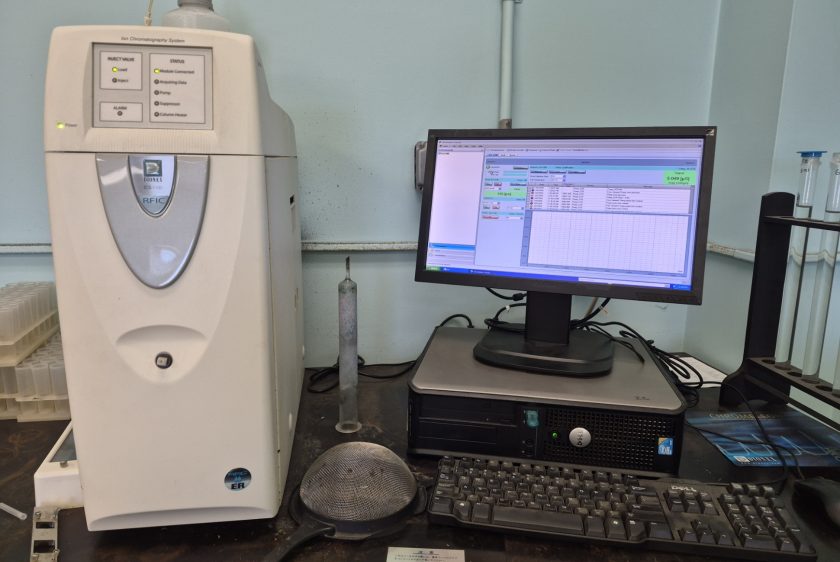
Sterling Analytical offers both a Basic Diesel Generator Fuel Testing Package and expanded analytical services for comprehensive evaluation of stored fuel condition and specification compliance.
Basic Diesel Generator Fuel Testing Package
The basic test package determines whether stored fuel in backup systems has been exposed to harmful contaminants or instability mechanisms.
Clear and Bright – ASTM D4176: Visual inspection evaluates appearance, identifying haze, suspended water, or visible particulate matter. Failure may indicate instability or contamination within the diesel fuel storage tank.
Water and Sediment – ASTM D2709: This centrifuge method quantifies free water and suspended solids. Elevated results during diesel generator fuel testing commonly indicate tank condensation, leaks, or poor housekeeping practices that contribute to corrosion and filter plugging.
Water by Karl Fischer – ASTM D6304: Karl Fischer titration precisely measures dissolved moisture not visible during inspection. Even low water concentrations can promote microbial growth and engine corrosion in stored diesel systems.
Flash Point – ASTM D93: Flash point verification ensures diesel fuel has not been contaminated with volatile hydrocarbons such as gasoline. Reduced flash point may signal cross-contamination and presents safety concerns.
Microbial Growth – ASTM D6469: Microbial screening detects bacteria and fungi commonly found in long-term storage tanks. Microbial contamination leads to sludge formation, acidic byproducts, corrosion, and filter restriction.
Particulate Contamination – ASTM D2276: This gravimetric test measures insoluble particulates that may clog filters and damage injection components in emergency generator systems.
Advanced Diesel Generator Fuel Testing Services
When further investigation is required, advanced diesel fuel storage tank testing can evaluate performance properties and regulatory parameters.
Distillation – ASTM D86: Distillation analysis characterizes the hydrocarbon boiling range profile of diesel fuel. Deviations may indicate contamination, improper blending, or chemical breakdown.
API Gravity – ASTM D1298: Density measurement affects volumetric calculations and combustion characteristics. Significant variation may suggest contamination or degradation.
Copper Strip Corrosion – ASTM D130: Evaluates the corrosive potential of fuel toward copper alloys used in system components.
Asphaltenes – AH-24A-ASP2: Asphaltene analysis identifies heavy insoluble fractions that contribute to filter plugging and injector deposits.
Sulfur – ASTM D5453: Ultraviolet fluorescence analysis quantifies sulfur concentration for emissions compliance and environmental considerations.
Cetane Number – ASTM D976: Cetane estimation evaluates ignition quality and combustion performance in generator engines.
Cetane Index – ASTM D4737: Calculated cetane index provides additional insight into ignition behavior and aromatic content.
Ash Content – ASTM D482: Ash determination measures inorganic residue contributing to combustion chamber deposits.
Viscosity – ASTM D445: Kinematic viscosity directly affects injector spray pattern, lubrication properties, and pump wear.
Carbon Residue – ASTM D524: Carbon residue testing evaluates deposit-forming tendencies under thermal stress conditions.
Together, these analyses form a comprehensive diesel generator fuel testing program capable of diagnosing contamination, degradation, and specification nonconformance in stored fuel systems.
NFPA 110 Compliance Requirements
NFPA 110 requires Emergency Power Supply Systems to remain fully operational at all times. Routine diesel generator fuel testing supports:
- NFPA 110 fuel testing compliance
- Audit readiness
- Generator startup reliability
- Insurance documentation
- Regulatory reporting
Our laboratory reports provide defensible ASTM-based data required for compliance verification.
Common Diesel Fuel Problems Identified
During diesel generator fuel testing, our laboratory frequently detects:
- Microbes in diesel fuel
- Fungus in storage tanks
- Water contamination from condensation
- Oxidation and sludge formation
- Off-spec or degraded diesel fuel
- Particulate contamination
These problems often develop gradually and without visible warning signs, making stored diesel fuel testing essential for preventive maintenance.
Who Needs Diesel Generator Fuel Testing?
Diesel generator fuel testing is essential for industries where backup power reliability is critical and operational interruption is unacceptable. Organizations searching for a fuel testing laboratory near me rely on routine testing to maintain uptime and regulatory compliance.
- Healthcare Facilities
Hospitals depend on uninterrupted power for life-support systems and emergency operations. Diesel generator fuel testing ensures compliance with NFPA 110 guidelines and reduces risk during outages.
- Data Centers & IT Infrastructure
Data centers require 100% uptime. Preventative emergency generator fuel testing detects contamination before performance is affected.
- Industrial & Manufacturing Plants
Production facilities rely on backup generator fuel testing to avoid costly shutdowns caused by degraded or contaminated fuel.
- Commercial Buildings
Routine diesel generator fuel testing supports regulatory compliance for emergency lighting, elevators, and life-safety systems.
- Fuel Storage & Tank Management Companies
Diesel fuel storage tank testing helps monitor fuel condition, detect water intrusion, and prevent microbial contamination.
How to Submit a Fuel Sample
Getting started with diesel generator fuel testing is simple:
- Download the Chain of Custody Form.
- Collect a representative tank sample.
- Follow packaging instructions.
- Ship to our laboratory.
- Receive detailed analytical results.
Diesel Generator Fuel Testing Near You
If you are searching for:
- Diesel generator fuel testing near me
- Fuel testing laboratory near me
- Diesel fuel analysis services
- Emergency generator fuel testing
- Diesel fuel storage tank testing
Schedule Diesel Generator Fuel Testing Today
Backup power reliability depends on fuel integrity. Without routine diesel generator fuel testing, stored diesel can degrade silently and compromise performance when power is needed most.
Sterling Analytical delivers comprehensive laboratory-based diesel generator fuel testing to verify fuel quality, detect contamination, and support compliance programs.
Frequently Asked Questions
Annual diesel generator fuel testing is commonly recommended, though higher-risk facilities may conduct semi-annual stored diesel fuel testing depending on storage conditions and regulatory requirements.
Oxidation, water intrusion, microbial growth, and particulate contamination are the primary causes of degradation identified during diesel fuel storage tank testing.
NFPA 110 outlines maintenance practices for emergency power systems. Incorporating routine NFPA 110 fuel testing helps demonstrate due diligence and operational readiness.
Yes. Water, sediment, and microbial contamination can clog filters, corrode components, foul injectors, and cause startup failure.
Field kits provide preliminary screening, while laboratory diesel generator fuel testing uses ASTM-certified methods for precise, defensible results.
Diesel fuel does not have a fixed expiration date, but without routine emergency generator fuel testing, degradation may occur over time depending on storage conditions..
Quick Contact
If you have any questions or need help, feel free to contact with our team.
Send Us Email:
Call Us Today: